
How forward-thinking leaders are driving results by putting humanity first
The business world is experiencing a seismic shift. While traditional leadership focused on commanding and controlling, today’s most successful leaders are discovering that compassionate strategy—leading with empathy while maintaining high standards—delivers superior results across every metric that matters.
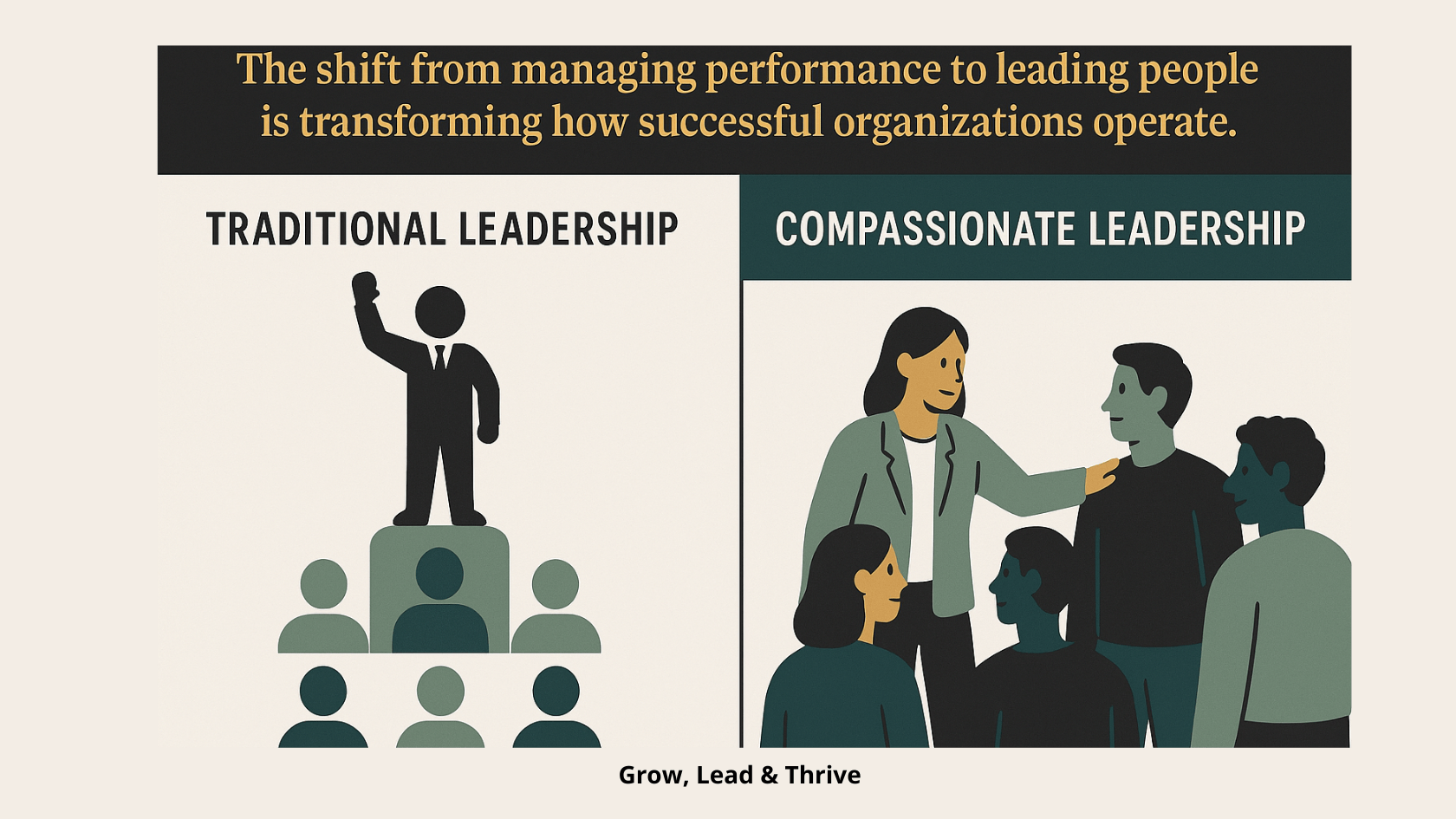
Over seven years of building and leading my own business, I’ve discovered that the leaders who embrace compassionate strategy consistently outperform their command-and-control counterparts. This isn’t about being “soft”—it’s about being strategically human.
The Performance Paradox: Why Compassion Drives Results
Traditional leadership wisdom suggests that being tough on people drives performance. The data tells a different story. Companies with highly engaged employees show 23% higher profitability, 18% higher productivity, and 12% better customer metrics, according to Gallup’s research. But here’s what most leaders miss: engagement isn’t driven by perks or pay—it’s driven by feeling genuinely valued as a human being.
Consider the case of Microsoft under Satya Nadella’s leadership. When he shifted from a “know-it-all” to a “learn-it-all” culture, emphasizing empathy and growth mindset, Microsoft’s market value increased from $300 billion to over $2 trillion. This wasn’t coincidence—it was compassionate strategy in action.
The Four Pillars of Compassionate Strategy
1. Psychological Safety as Strategic Advantage
Google’s Project Aristotle identified psychological safety as the number one factor in team effectiveness. But creating it requires more than policy changes—it demands vulnerable leadership.
How to implement:
- Start meetings by acknowledging your own mistakes or uncertainties
- Create “failure parties” where teams celebrate learnings from setbacks
- Replace “Why didn’t you…” questions with “Help me understand…”
- Establish “question hours” where challenging leadership decisions is encouraged
2. Individual-Centric Performance Management
One-size-fits-all performance management is dead. Compassionate leaders recognize that each team member has unique motivations, strengths, and life circumstances that affect their work.
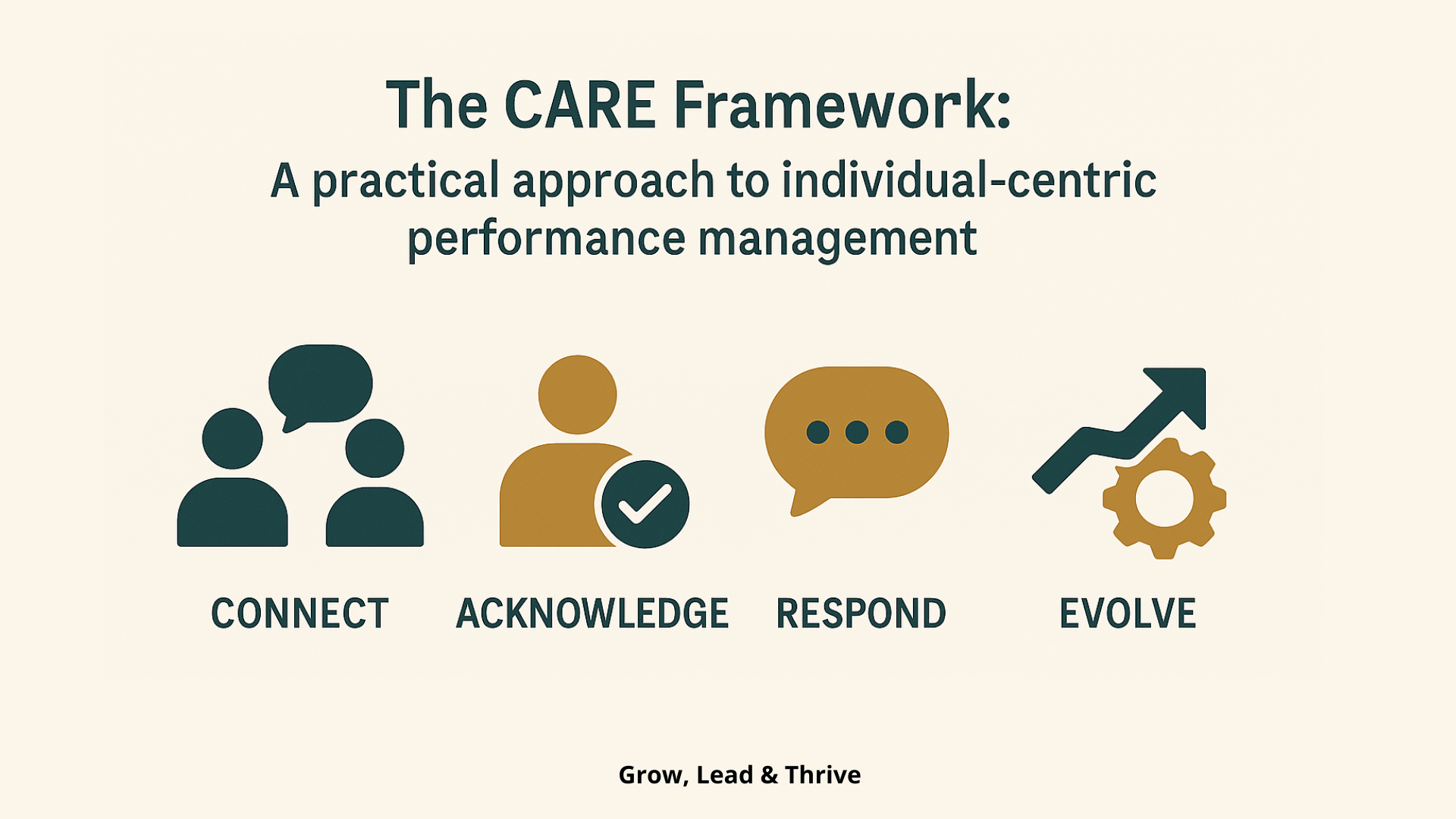
The CARE Framework:
- Connect: Regular one-on-ones focused on the person, not just projects
- Acknowledge: Recognize effort and progress, not just outcomes
- Respond: Adapt your leadership style to each individual’s needs
- Evolve: Continuously adjust based on changing circumstances
Practical application: Instead of annual reviews, implement monthly “growth conversations” where you ask:
- What energizes you most in your work right now?
- What’s one obstacle I can help remove?
- How can we better align your role with your natural strengths?
- What would make you feel more supported?
3. Transparent Communication That Builds Trust
Compassionate leaders don’t shield their teams from reality—they frame it in ways that empower rather than paralyze. This means sharing both challenges and opportunities with context that helps people understand their role in the solution.
The Transparency Triangle:
- Context: Why this matters to the bigger picture
- Impact: How it affects the team and individuals
- Agency: What specific actions people can take
For example, instead of saying “We need to cut costs,” try: “Market conditions require us to be more efficient. This gives us an opportunity to innovate our processes and emerge stronger. Here’s how each department can contribute…”
4. Purpose-Driven Decision Making
People don’t just want to know what to do—they want to understand why it matters. Compassionate leaders consistently connect day-to-day tasks to meaningful outcomes.
The Purpose Stack:
- Personal Purpose: How does this work connect to the individual’s values?
- Team Purpose: How does our collective effort create something meaningful?
- Organizational Purpose: How does our company improve lives or solve problems?
- Societal Purpose: How does our work contribute to the greater good?
Overcoming the Compassion Skeptics
“But what about accountability?” This is the most common pushback I hear. Here’s the truth: compassionate strategy actually increases accountability because people feel personally invested in outcomes rather than just compliance-driven.
Reframe accountability conversations:
- Instead of: “You missed your deadline.”
- Try: “I noticed the project timeline shifted. What challenges came up, and how can we problem-solve together for next time?”
This approach addresses the issue while maintaining dignity and focusing on solutions rather than blame.
Measuring the Impact of Compassionate Leadership
Compassionate strategy isn’t just feel-good leadership—it’s measurable. Track these key indicators:
Leading Indicators:
- Employee engagement scores (monthly pulse surveys)
- Internal mobility rates
- Time-to-productivity for new hires
- Voluntary turnover by manager
Lagging Indicators:
- Customer satisfaction scores
- Revenue per employee
- Innovation metrics (ideas generated, implemented)
- Market share growth
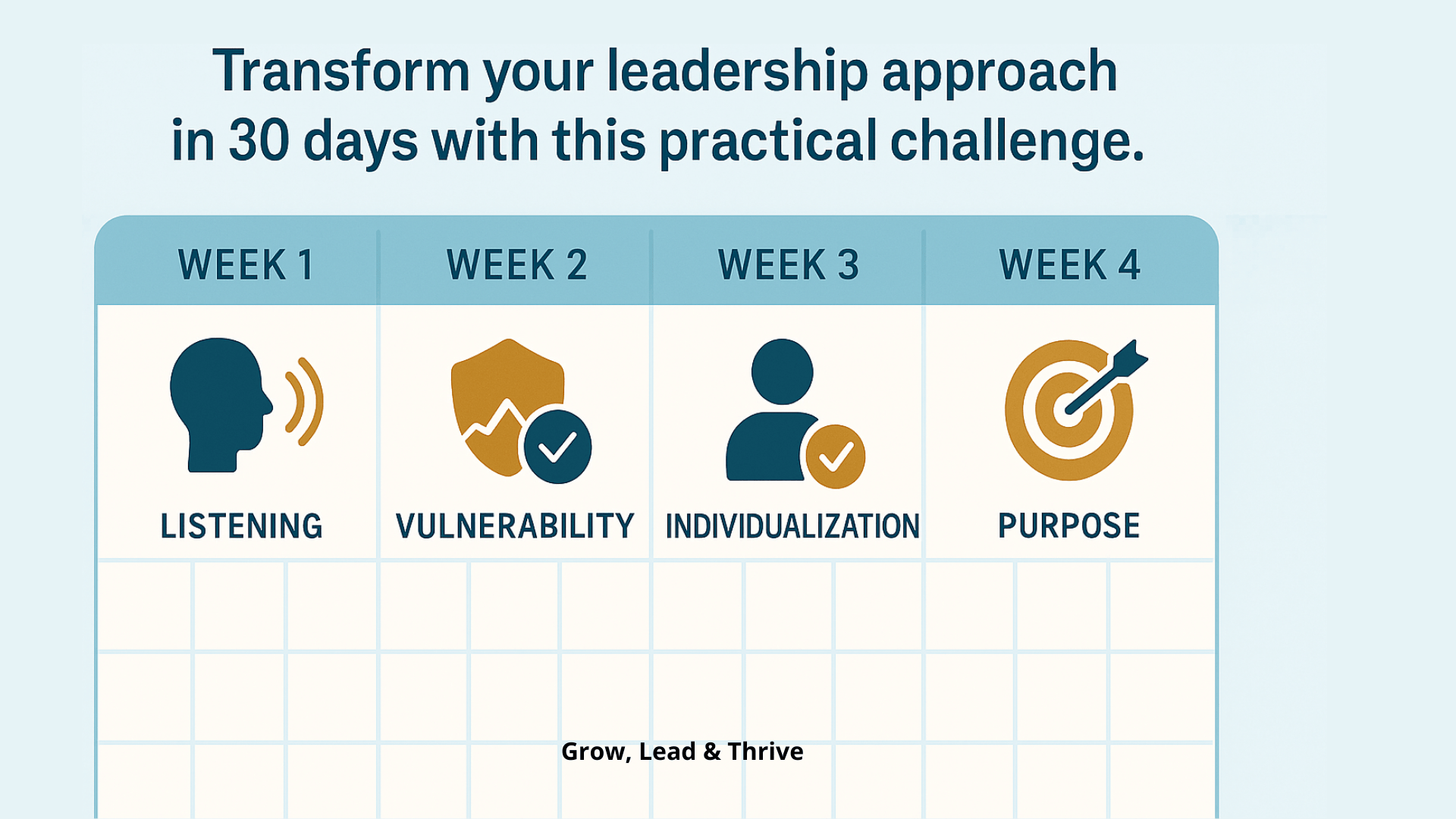
The 30-Day Compassionate Strategy Challenge
Ready to test this approach? Try these daily practices for the next month:
Week 1: Listen Deeper
- Spend the first 5 minutes of every meeting asking “How are you, really?”
- Practice reflective listening—summarize what you heard before responding
Week 2: Show Vulnerability
- Share one challenge you’re facing with your team
- Ask for their perspective and ideas
Week 3: Individualize Your Approach
- Have a conversation with each team member about their preferred communication style
- Adapt your management approach accordingly
Week 4: Connect Work to Purpose
- Help each person articulate how their current projects align with their personal values
- Share stories of how your team’s work impacts customers or the community
The Ripple Effect
When leaders embrace compassionate strategy, it creates a multiplicative effect throughout the organization. Team members begin leading with compassion in their own spheres of influence, creating a culture where high performance and human dignity coexist.
This isn’t about lowering standards—it’s about raising them. When people feel genuinely valued and understood, they naturally want to contribute their best work. They take ownership of problems, propose solutions proactively, and stay committed during challenging times.
The choice is clear: continue managing performance, or start leading people. The organizations that embrace compassionate strategy today will be the ones that thrive tomorrow.
What’s your experience with compassionate leadership? Share your thoughts in the comments—I’d love to hear how you’re putting humanity first in your leadership approach.
#Leadership #CompassionateStrategy #EmployeeEngagement #LeadershipDevelopment #HumanCenteredLeadershipcompa