
Every morning at 7:45 AM, John walks into his office. He doesn’t send company-wide emails about punctuality or post motivational posters about dedication. Yet by 8:00 AM, his entire team has arrived, energized and ready to tackle the day. How does he accomplish what countless memos and policies cannot?
The answer lies in a leadership superpower that costs nothing to develop yet transforms everything it touches: executive presence.
The Crisis Hiding in Plain Sight
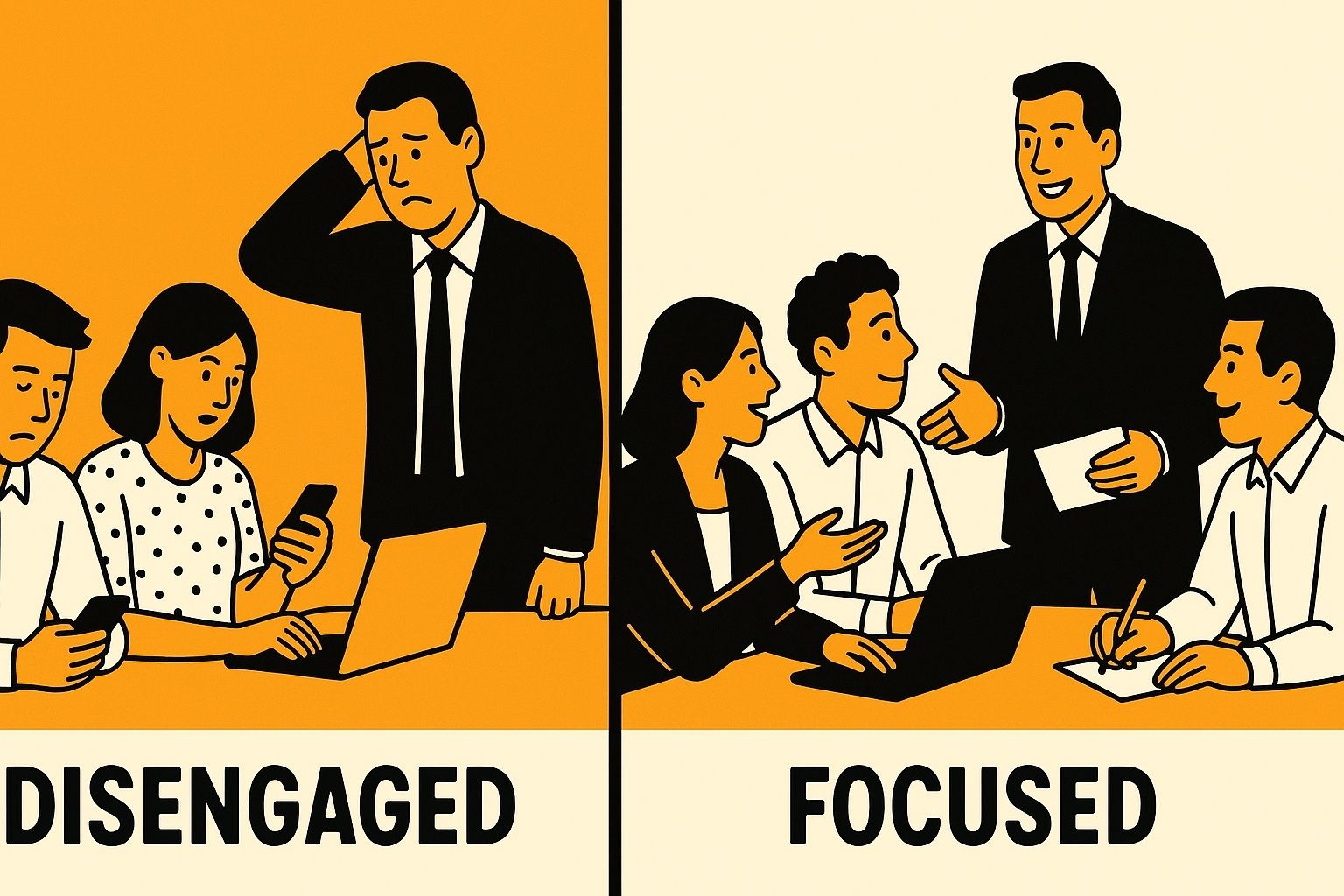
Here’s the uncomfortable truth most leaders face: 70% of employees are disengaged at work, yet 84% of leaders believe their team culture is thriving. This disconnect isn’t happening because of failed strategies or inadequate resources. It’s happening because leaders underestimate the profound impact of their non-verbal communication.
Your team watches everything you do. When you check your phone during meetings, they learn that multitasking is acceptable. When you arrive late consistently, you signal that commitments are flexible. When you appear stressed and overwhelmed, you create an atmosphere of anxiety that spreads faster than any virus.
The problem? Most leaders have no idea they’re broadcasting these messages.
The Science Behind Silent Leadership
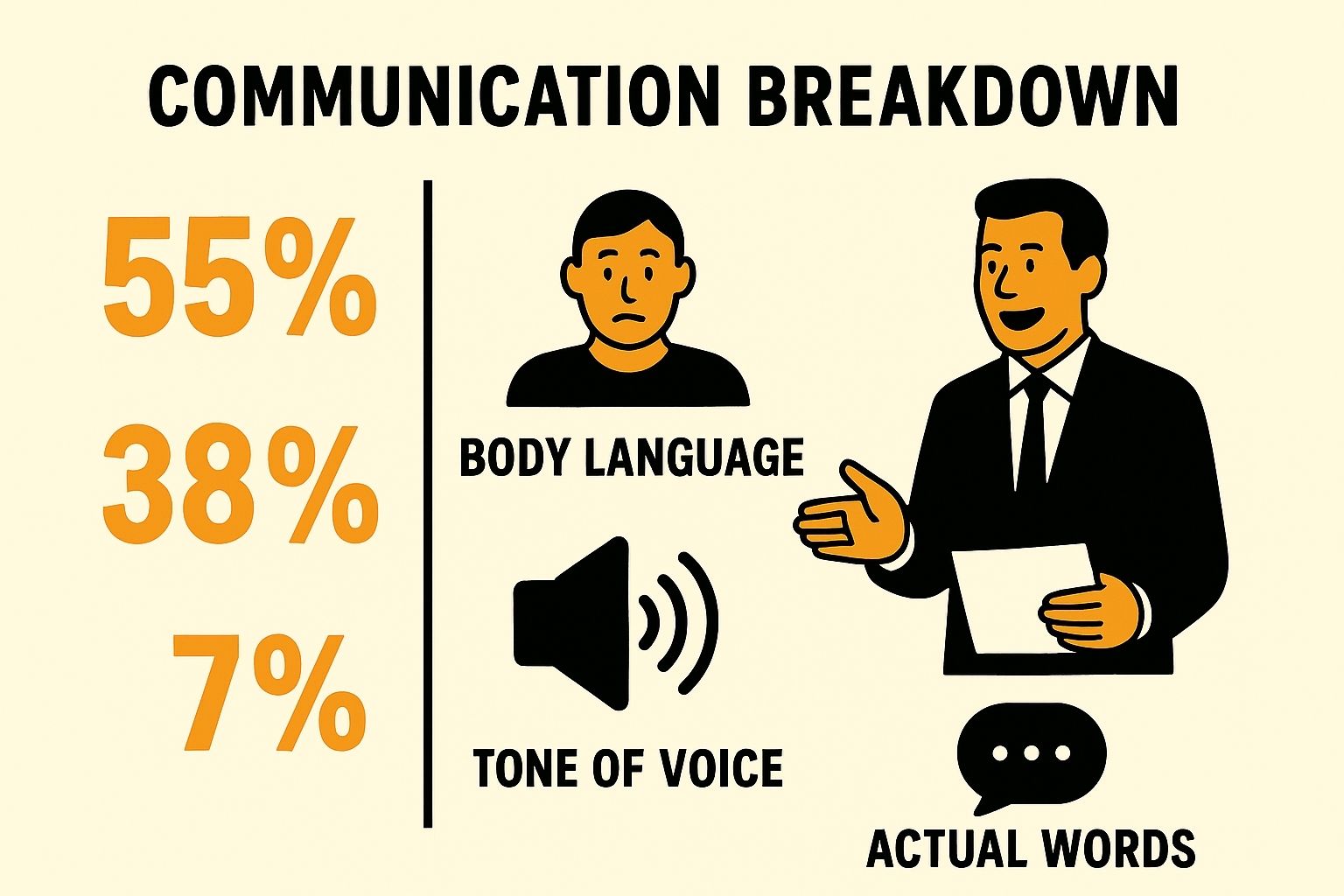
Research by Albert Mehrabian reveals that only 7% of communication is verbal. The remaining 93% comes from your tone (38%) and body language (55%). This means your presence is communicating volumes before you even speak.
Mirror neurons in your team’s brains are constantly scanning and mimicking your emotional state. When you embody calm confidence, your team unconsciously adopts that same energy. When you radiate stress, that stress becomes contagious throughout your organization.
This isn’t theoretical—it’s neuroscience at work in your workplace.
The Four Pillars of Transformative Presence
1. Intentional Energy Management
Your energy is your team’s North Star. Before entering any space, ask yourself: “What energy am I bringing into this room?” Leaders who master this practice arrive five minutes early to center themselves, ensuring they bring purposeful calm rather than chaotic urgency.
2. Consistent Physical Alignment
Your posture tells a story. Slouched shoulders whisper defeat. A rigid stance screams tension. But grounded, open posture communicates stability and approachability. Stand as if you belong exactly where you are, because you do.
3. Present-Moment Attention
In our hyperconnected world, giving someone your complete attention has become revolutionary. Put devices away. Make eye contact. Listen with your entire being. This simple act creates psychological safety that unlocks your team’s potential.
4. Emotional Regulation Under Pressure
The true test of leadership presence isn’t in calm moments—it’s during crisis. Your team will remember not what you said during the difficult conversation, but how steady and reassuring you remained while saying it.
The Ripple Effect: From Individual to Organization
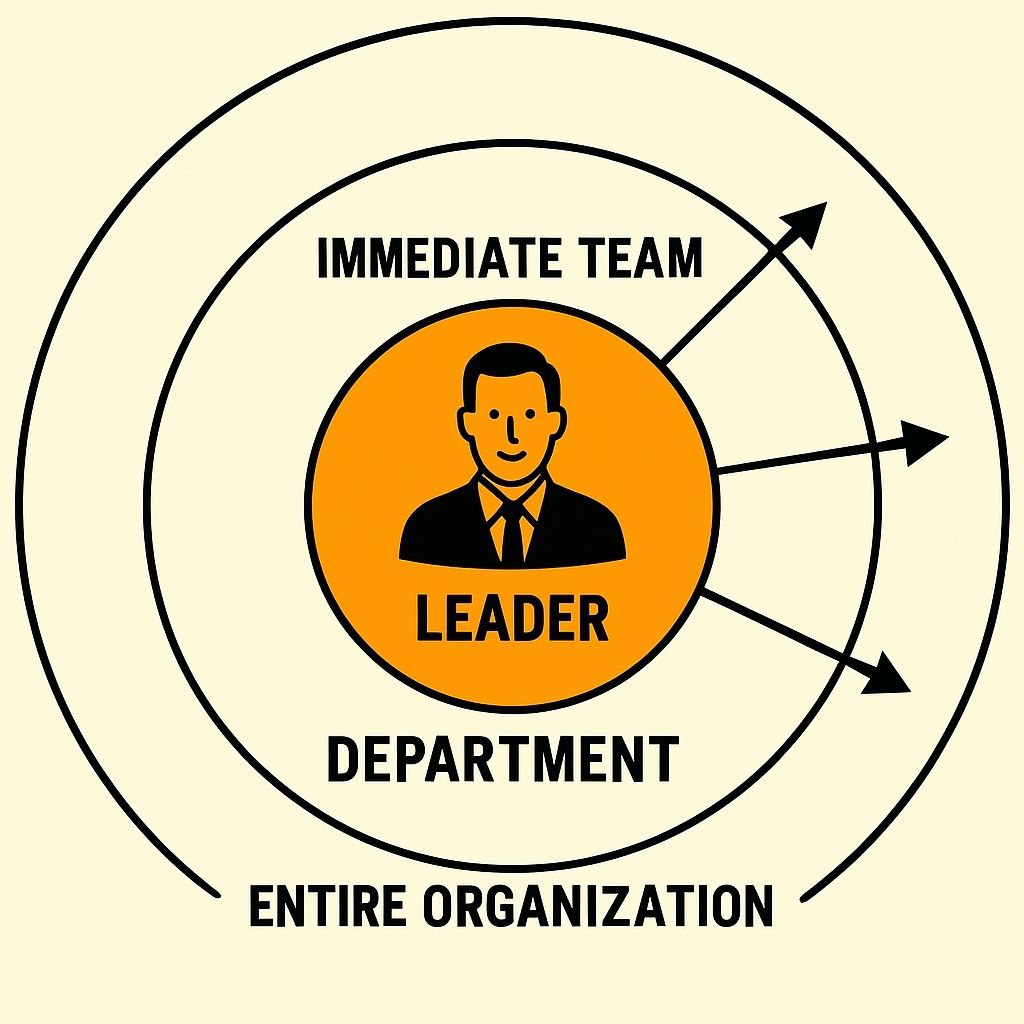
When you master executive presence, something remarkable happens. Your direct reports begin embodying the same qualities. They become more punctual, more focused, more solution-oriented. This behavior cascades through every level of your organization, creating a culture that attracts top talent and drives exceptional results.
Companies with strong leadership presence report:
- 40% lower turnover rates
- 35% higher employee engagement scores
- 25% faster decision-making processes
- 50% improvement in cross-team collaboration
Your 30-Day Presence Transformation Plan
Week 1: Awareness
- Record yourself in three different meetings (with permission)
- Ask for honest feedback from two trusted colleagues about your presence
- Notice your energy patterns throughout the day
Week 2: Energy Mastery
- Implement a 2-minute centering routine before every meeting
- Practice the “pause and breathe” technique when feeling triggered
- End each day by reflecting on the energy you brought to key interactions
Week 3: Physical Alignment
- Set hourly posture reminders on your phone
- Practice intentional eye contact during conversations
- Eliminate device usage during face-to-face interactions
Week 4: Integration
- Seek feedback on changes colleagues have noticed
- Identify your presence strengths and growth areas
- Create accountability systems to maintain new habits
The Compound Effect of Small Changes
Remember Sarah from our opening story? She didn’t transform overnight. She started by simply arriving 15 minutes early each day to prepare mentally for her team’s arrival. This small shift in her presence created a ripple effect that transformed her entire department’s culture within 90 days.
Your presence is your most powerful leadership tool. It requires no budget approval, no complex implementation strategy, and no special training. It simply requires your conscious attention and consistent practice.
The question isn’t whether you have executive presence—you’re already projecting some form of presence every moment you’re with your team. The question is whether that presence is serving your leadership goals or sabotaging them.
Your team is watching. What story is your presence telling them today?
Ready to develop your executive presence? Start with one simple practice: For the next seven days, arrive five minutes early to every meeting and use that time to center yourself and set a positive intention. Notice how this small shift impacts both your energy and your team’s response.
Share & Spark Change